 (1).webp)
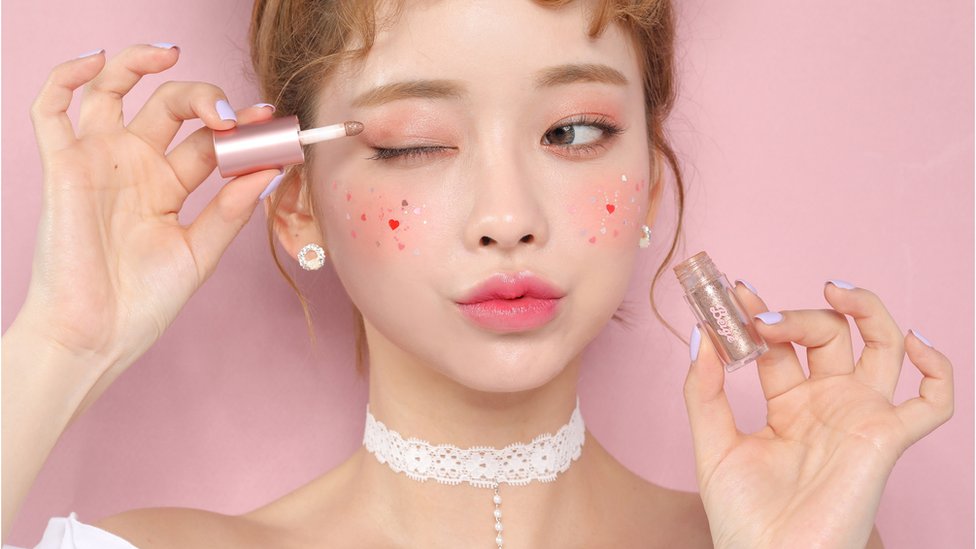
Korean Beauty Trends Taking Over the World
Korean Beauty Trends Taking Over the World
Korean beauty, often known as K-beauty, has become one of the most influential forces in the global beauty industry. What started as a regional skincare culture has developed into an international movement, inspiring beauty enthusiasts with its focus on healthy-looking skin, innovative products, thoughtful routines, and natural-looking makeup.
From glass skin and lightweight sunscreen to gentle cleansing and creative cosmetic formulas, Korean beauty trends continue to influence skincare routines around the world. Rather than focusing only on covering imperfections, many K-beauty approaches emphasize maintaining hydrated, balanced, and radiant-looking skin.
Let's explore some of the Korean beauty trends that are making a lasting impact worldwide.
What Makes Korean Beauty So Popular?
K-beauty stands out because it combines skincare, innovation, and beauty aesthetics. Korean beauty routines often emphasize prevention, hydration, and consistency instead of relying entirely on heavy makeup.
Some of the key ideas behind Korean beauty include:
- Hydrated and healthy-looking skin
- Gentle skincare routines
- Lightweight textures
- Sun protection
- Layering products carefully
- Natural-looking makeup
- Innovative beauty ingredients
These principles have made Korean skincare appealing to people with many different beauty preferences.
1. Glass Skin
One of the most recognizable Korean beauty trends is glass skin. The term describes a complexion that appears exceptionally smooth, hydrated, luminous, and even.
The goal isn't necessarily to create completely flawless skin. Instead, the glass skin aesthetic focuses on maintaining a healthy-looking complexion with plenty of hydration and a radiant finish.
How to Create a Glass Skin-Inspired Look
A simple routine may include:
- Gentle cleansing
- Hydrating toner
- Lightweight serum
- Moisturizer
- Daily sunscreen
Consistency is more important than using a large number of products.
2. Double Cleansing
Double cleansing has become a popular skincare technique around the world.
The method generally involves using an oil-based cleanser first, followed by a water-based cleanser.
Why Is Double Cleansing Popular?
The first cleanser can help dissolve makeup, sunscreen, and oil-based impurities, while the second cleanser removes remaining residue.
However, double cleansing isn't necessarily required for everyone. If your skin feels dry or irritated afterward, a simpler cleansing routine may be more appropriate.
3. Lightweight Layering
Korean skincare is well known for layering lightweight products instead of relying on one heavy product.
For example, a routine might include:
- Hydrating toner
- Essence
- Serum
- Moisturizer
- Sunscreen
The idea is to provide hydration and targeted care without making the skin feel excessively heavy.
4. Skinimalism
Although traditional Korean skincare routines are sometimes associated with many steps, modern K-beauty has also embraced skinimalism.
Skinimalism focuses on using fewer products while prioritizing effective skincare.
The Main Principles
- Keep routines simple
- Choose multifunctional products
- Focus on skin health
- Avoid unnecessary steps
- Introduce products gradually
This approach is particularly attractive to people who don't want complicated beauty routines.
5. Natural and Glowy Makeup
Korean makeup trends often favor a fresh and youthful appearance rather than heavy coverage.
Popular elements include:
- Lightweight foundation
- Cream blush
- Soft eyebrows
- Glossy lips
- Subtle eye makeup
- Natural-looking highlights
The objective is generally to enhance natural features rather than completely change them.
6. Gradient Lips
Gradient lips are another recognizable Korean makeup trend.
Instead of applying one strong color across the entire lip, a darker shade is concentrated toward the center and softly blended outward.
This creates a soft, diffused effect that can look youthful and effortless.
How to Create Gradient Lips
- Apply a small amount of lip tint to the center.
- Blend toward the outer edges.
- Add a light layer of gloss if desired.
The technique works particularly well with pink, coral, red, and berry shades.
7. Cushion Foundations
Cushion foundations have become a major K-beauty innovation.
These compact products typically contain liquid foundation or complexion products inside a cushioned applicator system.
Why People Like Cushion Foundations
- Easy application
- Portable packaging
- Lightweight coverage
- Convenient for touch-ups
- Often creates a fresh finish
They are especially useful for people who prefer quick makeup routines.
8. Korean Sunscreen Trends
Daily sunscreen is an important part of many Korean skincare routines and has become increasingly popular worldwide.
Modern Korean sunscreens are often designed with lightweight textures that make daily application more comfortable.
Common preferences include:
- Lightweight formulas
- Non-greasy textures
- Hydrating finishes
- Makeup-friendly formulas
Consistent sun protection is one of the most useful habits for maintaining healthy-looking skin.
9. Fermented Skincare Ingredients
Fermented ingredients are another area associated with Korean skincare innovation.
Fermentation can be used during the preparation of certain cosmetic ingredients and is often featured in products designed around hydration and skin conditioning.
Examples may include fermented:
- Rice extracts
- Yeast-derived ingredients
- Botanical extracts
- Soy-based ingredients
As with any skincare ingredient, individual reactions can vary, so introducing new products gradually is a sensible approach.
10. Innovative Skincare Textures
K-beauty brands have become known for experimenting with unique textures and product formats.
Popular examples include:
- Gel creams
- Sleeping masks
- Essence lotions
- Jelly textures
- Water-based moisturizers
- Lightweight cleansing balms
These innovative textures make skincare feel more enjoyable and encourage people to maintain consistent routines.
11. Sheet Masks
Sheet masks became a global beauty phenomenon thanks in part to the popularity of Korean skincare.
A sheet mask is typically soaked in a cosmetic essence and placed over the face for a short period.
Why Sheet Masks Are Popular
They are:
- Convenient
- Easy to use
- Available for different skincare concerns
- Enjoyable as part of a self-care routine
They can provide temporary hydration and a refreshed appearance, but they aren't a replacement for a consistent skincare routine.
12. Beauty From the Inside Out
Korean beauty culture also reflects a broader interest in lifestyle and wellness.
Adequate sleep, balanced nutrition, hydration, stress management, and consistent skincare all contribute to how healthy and energized a person looks.
This broader approach has helped K-beauty evolve beyond cosmetics into a lifestyle concept.
Why K-Beauty Continues to Influence Global Trends
The international popularity of Korean beauty comes from more than social media. K-beauty combines attractive product design, innovative formulas, accessible routines, and a strong emphasis on skincare.
Social platforms have also helped trends spread rapidly. Concepts such as glass skin, gradient lips, cushion makeup, and Korean-inspired skincare routines can now be found in beauty communities around the world.
As consumers become more interested in skincare and ingredient-focused products, Korean beauty continues to provide new ideas and inspiration.
How to Try Korean Beauty Trends at Home
You don't need to completely replace your existing beauty routine to explore K-beauty.
Start with a few simple habits:
- Use a gentle cleanser.
- Keep your skin properly moisturized.
- Apply sunscreen every morning.
- Try a lightweight serum if you need targeted care.
- Experiment with natural makeup.
- Introduce new products one at a time.
This approach makes it easier to discover which products and techniques work for your individual needs.
Yorumlar