 (1).webp)
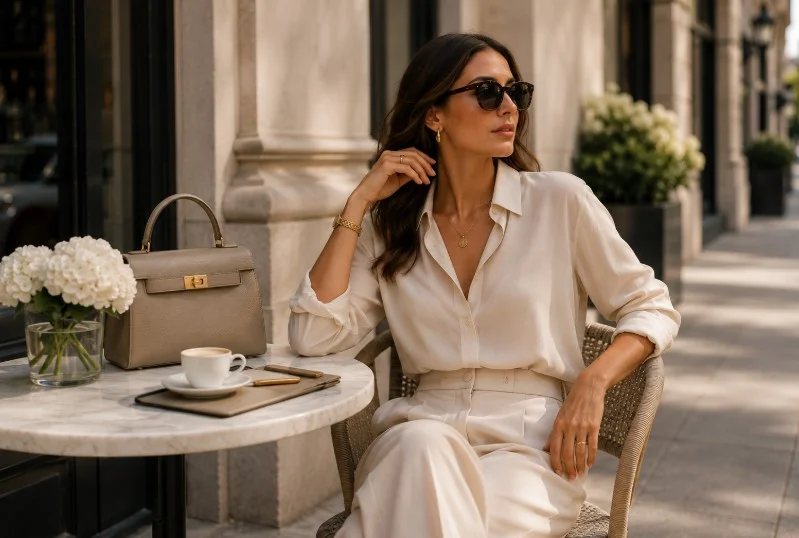
How to Dress Elegantly on a Budget
How to Dress Elegantly on a Budget
Looking elegant doesn't have to mean spending hundreds of dollars on designer clothing or luxury accessories. With the right fashion choices, a little creativity, and smart shopping habits, you can create sophisticated outfits that look expensive without exceeding your budget.
The secret to affordable elegance is understanding how to combine colors, choose flattering clothing, invest in versatile essentials, and pay attention to small details. A simple white shirt, well-fitting trousers, and clean shoes can often create a more polished appearance than an expensive outfit that doesn't fit properly.
Whether you're updating your wardrobe, preparing for work, or looking for everyday outfit inspiration, learning how to dress elegantly on a budget can help you develop a timeless personal style without unnecessary spending.
1. Build Your Wardrobe Around Timeless Essentials
One of the easiest ways to dress elegantly for less is to create a wardrobe built around classic clothing pieces. These items remain useful across seasons and can be combined in numerous ways.
Essential Pieces for an Elegant Wardrobe
White button-up shirt
Black tailored trousers
Well-fitting blue jeans
Neutral-colored blazer
Simple knit sweater
Classic midi dress
Comfortable loafers
Minimalist sneakers
Structured handbag
Classic trench coat
You don't need to purchase everything at once. Start with the pieces you are missing and gradually build a collection that suits your lifestyle.
For example, a white shirt can be worn with black trousers for a professional outfit, blue jeans for a casual look, or a midi skirt for a more feminine appearance. One versatile item can create several different outfits.
2. Choose Neutral Colors for a Sophisticated Look
Color coordination plays an important role in creating elegant outfits. Neutral shades are particularly useful because they complement one another and make clothing easier to mix and match.
Best Colors for Affordable Elegance
Black
White
Cream
Beige
Camel
Navy blue
Gray
Chocolate brown
Consider an outfit consisting of beige trousers, a white shirt, and brown loafers. These pieces are relatively easy to find at different price points, yet their coordinated appearance can make the outfit look refined.
You don't have to avoid bright colors. A colorful handbag, scarf, or blouse can add personality while allowing neutral basics to remain the foundation of your wardrobe.
3. Focus on Fit Instead of Brand Names
Clothing that fits properly often looks more expensive than designer clothing that doesn't suit your proportions.
An elegant outfit should allow comfortable movement while creating a balanced silhouette.
How to Improve the Fit of Your Clothes
Choose trousers that fall neatly over your shoes.
Avoid shirts that pull awkwardly across the shoulders.
Check that blazer sleeves are an appropriate length.
Choose dresses that feel comfortable when sitting and walking.
Consider affordable alterations for valuable wardrobe staples.
For example, a reasonably priced pair of trousers that has been adjusted to the correct length can look considerably more polished than a more expensive pair with an awkward fit.
You don't need to follow one particular silhouette. The goal is to find clothing that fits your body comfortably and reflects your preferred style.
4. Shop Smart and Avoid Impulse Purchases
Buying more clothing doesn't automatically create a better wardrobe. Shopping with a plan helps you spend money on items you'll actually wear.
Before purchasing something new, consider whether it complements your existing clothes and suits your everyday activities.
Smart Shopping Strategies
Create a shopping list: Identify wardrobe gaps before visiting stores or browsing online.
Compare prices: Check several retailers before purchasing an item.
Look for seasonal sales: End-of-season discounts can offer opportunities to buy useful basics at lower prices.
Explore secondhand stores: Pre-owned clothing can include quality coats, blazers, handbags, and other wardrobe essentials.
Set a spending limit: Decide how much you can comfortably spend before shopping.
Use the cost-per-wear approach: Consider how frequently you will wear an item rather than focusing only on its initial price.
For example, a $60 jacket worn 60 times costs $1 per wear. A $25 trendy top worn twice costs $12.50 per wear. The more expensive item may provide better long-term value if it is durable and versatile.
5. Pay Attention to Fabric Quality
You don't need luxury fabrics to dress elegantly, but the appearance and condition of clothing can make a noticeable difference.
Look for fabrics that hold their shape, feel comfortable, and suit the intended use of the garment.
Affordable Fabrics Worth Considering
Cotton: Practical for shirts, T-shirts, and everyday basics.
Linen: Lightweight and breathable for warm weather.
Viscose: Can provide a soft drape for blouses and dresses.
Wool blends: Useful for sweaters and cooler-weather clothing.
Quality denim: A versatile choice for jeans and jackets.
Read care labels before purchasing clothing. An inexpensive garment that requires complicated maintenance may become less practical over time.
Also, remember that fabric composition alone doesn't determine quality. Construction, stitching, lining, fit, and durability are equally important.
6. Keep Your Clothes Clean, Pressed, and Well-Maintained
One of the most affordable ways to look elegant is to take proper care of the clothes you already own.
Wrinkles, loose threads, missing buttons, and worn-out shoes can make an otherwise attractive outfit look neglected.
Simple Clothing Maintenance Tips
Remove lint before leaving home.
Iron or steam garments when necessary.
Repair loose buttons and small tears.
Follow washing instructions.
Store knitwear carefully to help maintain its shape.
Clean shoes regularly.
Remove stains promptly using appropriate methods.
Taking care of your wardrobe extends the life of your clothing and reduces the need for frequent replacements.
7. Choose Simple and Elegant Accessories
Accessories can transform an ordinary outfit without requiring a large investment.
Instead of buying numerous inexpensive accessories that quickly lose their appeal, consider selecting a few versatile pieces that work with several outfits.
Affordable Accessories That Elevate an Outfit
Small gold-tone or silver-tone earrings
A classic wristwatch
A simple leather or leather-look belt
A structured everyday handbag
A neutral scarf
Minimalist sunglasses
A delicate necklace
For example, a basic black dress can look casual with sneakers and a tote bag or more formal with loafers, a structured handbag, and understated jewelry.
The key is balance. Too many competing accessories can make an outfit feel cluttered, while a few carefully chosen details can create a more cohesive appearance.
8. Invest in Shoes That Complement Multiple Outfits
Shoes influence the overall appearance of an outfit, but you don't need a large collection to dress elegantly.
Choose comfortable footwear that matches several items in your wardrobe.
Versatile Shoes for an Elegant Style
Loafers: Suitable for office outfits, tailored trousers, and casual jeans.
Ballet flats: A simple option for dresses, skirts, and everyday wear.
Ankle boots: Useful during autumn and winter.
Minimalist sneakers: Ideal for relaxed outfits that still look polished.
Simple sandals: A practical choice for warm weather.
Neutral colors such as black, brown, cream, and white are generally easy to coordinate with existing clothing.
Prioritize comfort, construction, and durability rather than choosing shoes based on appearance alone.
9. Create an Elegant Look With Simple Outfit Combinations
You don't need complicated styling techniques to create a sophisticated appearance. A few reliable combinations can help you get dressed quickly while making the most of your wardrobe.
Outfit 1: Classic Everyday Elegance
Pair a white button-up shirt with black trousers and loafers. Add a simple belt and a structured handbag for a polished look suitable for work or lunch.
Outfit 2: Casual Chic
Combine a beige blazer, white T-shirt, blue jeans, and clean sneakers. This outfit balances relaxed clothing with a tailored layer.
Outfit 3: Effortless Feminine Style
Wear a simple black midi dress with understated jewelry and comfortable flats. Change the shoes and accessories to adapt the outfit for different occasions.
Outfit 4: Neutral Seasonal Style
Combine a cream sweater with camel trousers and brown ankle boots. The coordinated neutral shades create a warm, timeless appearance.
10. Learn to Layer Clothing Effectively
Layering makes outfits more interesting and allows you to use the same clothing throughout different seasons.
The key is combining pieces that work together in terms of color, proportion, and thickness.
Easy Layering Ideas
Wear a blazer over a lightweight shirt.
Add a cardigan to a simple dress.
Combine a trench coat with jeans and a knit top.
Wear a lightweight sweater over a button-up shirt.
Add a scarf to a neutral autumn outfit.
Avoid adding too many bulky layers at once, especially when the weather is warm. A single well-chosen outer layer can be enough to make an outfit feel complete.
11. Explore Secondhand and Vintage Fashion
Secondhand shopping is an excellent way to find distinctive clothing while keeping costs under control.
Thrift stores, resale platforms, vintage shops, and clothing exchanges may offer quality garments at lower prices than buying new.
What to Look for When Shopping Secondhand
Well-constructed blazers
Wool coats
Classic denim
Leather handbags
Quality knitwear
Timeless dresses
Inspect seams, zippers, buttons, fabric condition, and signs of damage before buying. Check measurements carefully when shopping online, since sizing can vary between brands and older garments.
Secondhand shopping can also help reduce unnecessary clothing waste by extending the useful life of existing garments.
12. Avoid Common Budget Fashion Mistakes
Trying to dress elegantly on a budget can become expensive if you repeatedly buy items that don't suit your wardrobe.
Avoid these common mistakes:
Buying clothing simply because it is discounted.
Choosing uncomfortable items that rarely get worn.
Purchasing too many pieces in the same style.
Ignoring garment care instructions.
Spending heavily on trends that may not suit your preferences.
Buying accessories that match only one outfit.
Assuming expensive brands automatically offer better quality.
Before making a purchase, ask yourself whether you would still want the item at its regular price and whether you can create at least three outfits with it.
This simple habit can help reduce impulse buying and encourage more thoughtful fashion decisions.
13. Build a Capsule Wardrobe on a Budget
A capsule wardrobe is a collection of versatile clothing items that work well together. It can be particularly helpful when you want an elegant style without constantly buying new clothes.
Start with the basics you already own, then identify the missing pieces that would make your wardrobe more functional.
A simple starter capsule might include:
Clothing item | Suggested quantity |
|---|---|
Basic T-shirts | 3 |
Button-up shirts | 2 |
Knit sweaters | 2 |
Pairs of trousers | 2 |
Pairs of jeans | 2 |
Blazer | 1 |
Everyday dress | 1 |
Versatile outerwear piece | 1 |
Everyday shoes | 2 pairs |
These numbers are only suggestions, not strict rules. Your ideal capsule wardrobe depends on your climate, occupation, lifestyle, and personal preferences.
The goal is to create more outfit combinations from fewer, carefully selected items.
Yorumlar