 (1).webp)
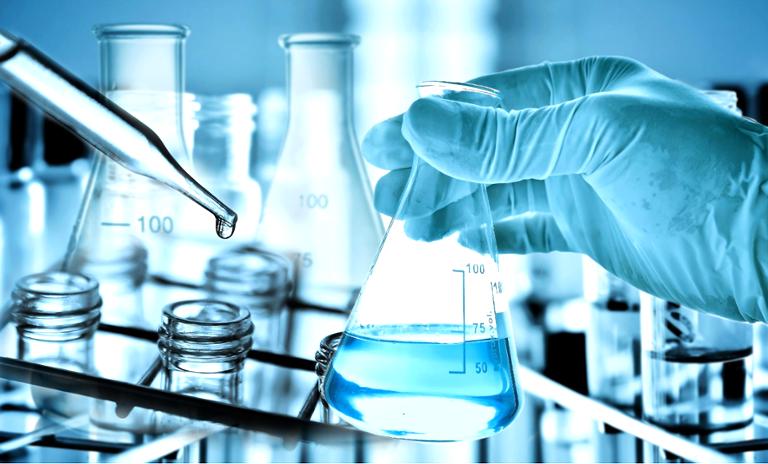
avcikimya.com.tr / Exploring Chemistry, Everyday Chemicals, and Industrial Innovations
Discover the World of Chemistry and Its Everyday Applications
Chemistry is part of almost everything we encounter in daily life. The soap used to wash our hands, the detergent that cleans our clothes, the materials used to manufacture smartphones, and the medicines developed to treat illnesses all involve chemical substances and processes. Although chemistry is often associated with laboratories and complex scientific formulas, its principles can be observed in ordinary activities at home, at work, and throughout the natural world.
Understanding chemistry helps us make better decisions about the products we use, the materials we handle, and the technologies that shape modern society. It also explains why substances behave differently when exposed to heat, water, air, or other materials.
avcikimya.com.tr aims to make these subjects easier to understand by exploring everyday chemicals, cleaning products, industrial applications, scientific developments, and practical chemical knowledge. By connecting scientific concepts with familiar examples, the platform encourages readers to discover the importance of chemistry beyond the laboratory.
What Is Chemistry and Why Does It Matter?
Chemistry is the branch of science that studies matter, its composition, its properties, and the changes it undergoes. Everything around us consists of matter, including the air we breathe, the water we drink, the food we eat, and the objects we use.
Chemists investigate how atoms and molecules interact, why certain reactions occur, and how substances can be transformed into materials with different properties. These discoveries contribute to medicine, agriculture, manufacturing, environmental protection, energy production, and countless other fields.
For example, understanding chemical reactions helps manufacturers develop materials that resist corrosion. Knowledge of molecular structure allows scientists to design products with specific characteristics, such as flexibility, durability, or resistance to heat.
Chemistry also helps explain familiar processes. Rust forms when iron reacts with oxygen and moisture under suitable conditions. Baking involves chemical changes that influence the texture and structure of food. Soap works by helping water remove oils and other substances from surfaces.
These examples demonstrate that chemistry is not limited to specialized scientific environments. It is a fundamental part of how the world works.
Understanding Chemicals in Everyday Life
The word chemical sometimes creates unnecessary concern because it is frequently associated with industrial pollution or hazardous substances. In scientific terms, however, a chemical is simply a substance with a defined composition. Water, oxygen, table salt, and citric acid are all chemicals.
What matters when evaluating a substance is its identity, concentration, properties, intended use, and the conditions under which it is handled.
Consider water. It is essential for life, yet its behavior changes depending on temperature, pressure, and the substances dissolved in it. Similarly, table salt is commonly used in food, but excessive consumption can negatively affect health.
Household products may contain surfactants, solvents, acids, bases, fragrances, preservatives, or other ingredients. Each component serves a particular function, and the overall formulation determines how the product performs.
Learning to read product labels, understand warning symbols, and follow manufacturer instructions can help consumers use these materials more responsibly.
Cleaning Products and the Science of Cleanliness
Cleaning products are among the most familiar examples of chemistry in action. Their formulations are designed to remove grease, dirt, mineral deposits, stains, and microorganisms from different surfaces.
Different cleaning agents work in different ways, which explains why one product may be effective on kitchen grease but unsuitable for removing limescale.
How Surfactants Work
Surfactants are ingredients commonly found in soaps, detergents, and many cleaning formulations. They help water interact with oils and other substances that would otherwise be difficult to remove.
A surfactant molecule generally has a water-attracting region and an oil-attracting region. This structure helps loosen oily dirt from surfaces and allows it to be carried away during rinsing.
Surfactants are used in laundry detergents, dishwashing products, shampoos, and numerous industrial cleaning formulations.
Acids and Alkaline Cleaning Agents
Acidic products are often used to dissolve mineral deposits, including some forms of limescale. Alkaline formulations can be effective against grease and certain organic residues.
However, cleaning products are not interchangeable. A product designed for one surface may damage another, and some substances can react dangerously when mixed.
Never mix cleaning products unless the manufacturer explicitly states that the combination is safe. In particular, mixing bleach with acids or ammonia-containing products can release hazardous gases. Always follow the label, use appropriate ventilation, and store products safely.
Understanding the chemistry behind cleaning helps explain why selecting the correct product matters as much as the cleaning method itself.
Chemical Safety at Home and in the Workplace
Chemical safety is an essential part of responsible product use. Even familiar household materials can cause irritation, burns, poisoning, or other harmful effects if used incorrectly.
Safe handling begins with understanding the product's intended application and reading its label before use. Important information may include recommended protective equipment, ventilation requirements, first-aid instructions, storage conditions, and incompatibilities with other substances.
Several general principles apply to many household and workplace chemicals:
Keep products in their original containers with labels intact.
Store chemicals away from children, pets, food, and drink.
Avoid transferring chemicals into beverage bottles or food containers.
Use protective gloves or other equipment when the label requires them.
Provide suitable ventilation when using products that release irritating vapors.
Follow the manufacturer's instructions for application, dilution, and disposal.
Do not assume that products with similar names or appearances have identical ingredients.
In industrial environments, safety procedures may also require formal risk assessments, appropriate engineering controls, employee training, and access to safety data sheets.
The level of precaution should reflect the substance and the conditions of use. A general description of a chemical is not a substitute for evaluating its specific hazards.
Industrial Chemistry and Modern Manufacturing
Industrial chemistry applies chemical principles to the production of materials and products on a large scale. It connects laboratory research with manufacturing processes that support many sectors of the economy.
Chemical processes are used in producing plastics, paints, adhesives, coatings, textiles, fertilizers, pharmaceuticals, electronic materials, and countless other products.
For example, polymer chemistry makes it possible to produce materials with different combinations of strength, flexibility, transparency, and heat resistance. These properties determine whether a polymer is suitable for food packaging, automotive components, construction materials, or electrical insulation.
Industrial chemists also work to improve reaction efficiency, reduce unwanted by-products, maintain consistent product quality, and manage production costs.
A successful manufacturing process must balance several considerations: product performance, operational safety, regulatory compliance, environmental impact, and economic feasibility.
Quality Control in Chemical Production
Quality control helps ensure that a chemical product meets its required specifications. Depending on the product, testing may examine concentration, purity, viscosity, pH, moisture content, stability, or other relevant properties.
For instance, a coating manufacturer may test whether a formulation adheres correctly to a surface and withstands expected environmental conditions. A detergent producer may evaluate cleaning performance, stability, and consistency between batches.
Analytical techniques such as chromatography, spectroscopy, and titration can help identify substances and measure their concentrations.
Reliable quality control protects consumers, supports consistent manufacturing, and helps identify problems before products reach the market.
The Role of pH in Chemistry
The pH scale is commonly used to describe how acidic or alkaline an aqueous solution is. In many everyday contexts, values below 7 are described as acidic, a value of 7 as neutral, and values above 7 as alkaline, under standard conditions.
Lemon juice is acidic, while many alkaline cleaning formulations have a higher pH. Pure water is commonly used as an example of a neutral solution, although its pH can vary with temperature and dissolved substances.
The pH of a substance can influence how it interacts with metals, minerals, biological tissues, and other materials. In agriculture, soil pH affects nutrient availability. In water treatment, pH is an important parameter for controlling treatment performance and corrosion. In manufacturing, it can influence reaction rates and product stability.
However, pH alone does not determine how dangerous a substance is. Concentration, chemical composition, exposure route, and contact time also matter. A responsible evaluation considers the full context rather than relying on a single measurement.
Chemistry, the Environment, and Sustainability
Chemical science plays an important role in addressing environmental challenges. Researchers investigate ways to reduce pollution, improve resource efficiency, develop cleaner manufacturing methods, and create materials with lower environmental impacts.
Water treatment is one example. Chemical processes can help remove contaminants, adjust water quality, and support the treatment of wastewater before it is returned to the environment.
Chemistry also contributes to battery development, renewable energy technologies, recyclable materials, and alternatives to certain persistent or hazardous substances.
Green chemistry focuses on designing chemical products and processes that reduce or eliminate the use and generation of hazardous substances. Its principles encourage more efficient use of raw materials, reduced waste, improved energy efficiency, and safer product design.
For example, a manufacturing process that produces the same amount of useful material while consuming less energy and generating fewer unwanted by-products may offer both environmental and economic benefits.
Nevertheless, sustainability claims require careful evaluation. A product described as biodegradable or environmentally friendly should be assessed according to the evidence, the conditions under which it breaks down, and its overall life cycle.
Scientific Developments Transforming Chemistry
Advances in analytical instruments, computational methods, and materials science continue to expand what researchers can investigate and manufacture.
Modern analytical techniques allow scientists to detect very small quantities of substances, study complex mixtures, and examine material structures in greater detail. These capabilities support research in medicine, food science, environmental monitoring, and industrial quality control.
Artificial intelligence and computational chemistry are also becoming useful tools for investigating molecular structures, predicting material properties, and narrowing the range of candidates for further laboratory testing.
In materials science, researchers are exploring advanced polymers, specialized coatings, improved battery materials, and substances designed for specific electronic or industrial applications.
These developments do not eliminate the need for experimental verification. Computer predictions must be assessed through appropriate testing, and promising laboratory results may require additional work before they can be applied reliably at industrial scale.
Following scientific progress helps readers understand how chemistry contributes to technological change and why research often involves gradual testing rather than instant breakthroughs.
Chemistry in Food, Agriculture, and Daily Consumption
Chemistry is closely connected to the food we eat and the agricultural systems that produce it. Nutrients such as carbohydrates, proteins, fats, vitamins, and minerals have specific chemical structures that influence their functions in the body.
Cooking can trigger chemical and physical changes that affect flavor, color, texture, and aroma. Browning reactions, for example, contribute to the flavors and colors of many cooked foods.
In agriculture, soil chemistry helps explain how acidity, salinity, and nutrient availability affect plant growth. Fertilizers provide nutrients that plants need, while careful management helps reduce unnecessary application and potential environmental harm.
Food preservation also relies on scientific principles. Temperature control, acidity, moisture management, packaging, and other methods can influence microbial growth and product stability.
Understanding these processes allows consumers and professionals to make more informed decisions. It also illustrates why chemistry connects laboratory science with everyday choices.
How to Read Chemical Product Labels
Product labels are important sources of information for consumers and professional users. They can explain the intended use of a product, its ingredients, relevant hazards, and the precautions required for safe handling.
When examining a chemical product, consider the following:
Intended use: Determine whether the product is designed for the surface, material, or application in question.
Ingredients and concentration: The identity and amount of each component can influence performance, compatibility, and risk.
Hazard pictograms: Where applicable, standardized symbols communicate hazards such as flammability, corrosion, acute toxicity, or environmental harm.
Precautionary instructions: Follow directions relating to ventilation, protective equipment, storage, first aid, and disposal.
Manufacturer information: Product documentation can provide details that are not included on the front label.
For industrial chemicals, the safety data sheet is particularly important. It provides structured information about hazards, handling, storage, exposure controls, and emergency measures.
Labels should be read carefully rather than interpreted through assumptions based on product appearance, fragrance, or marketing language.
Why Understanding Chemistry Matters for Everyone
Scientific literacy helps people evaluate claims, recognize misleading information, and understand the consequences of everyday decisions. Chemistry is especially relevant because chemical substances are present in homes, workplaces, food systems, consumer products, and the natural environment.
A better understanding of chemistry can help consumers compare cleaning products, interpret safety warnings, understand material properties, and assess claims about new technologies.
It can also encourage more informed discussions about industrial development, pollution, energy storage, recycling, and public health.
Not everyone needs advanced knowledge of molecular structures or reaction mechanisms. However, understanding basic concepts such as concentration, acidity, chemical compatibility, and material properties can be useful in many practical situations.
Clear scientific communication makes these concepts more accessible and encourages people to ask informed questions rather than relying on assumptions.
Discover the World of Chemistry With avcikimya.com.tr
Chemistry is a constantly developing field that connects scientific research with practical applications. From the ingredients in household cleaners to the materials used in modern manufacturing, chemical principles help explain how products work, how substances interact, and how new technologies are developed.
avcikimya.com.tr aims to bring these subjects together through accessible articles about everyday chemicals, cleaning products, industrial processes, chemical safety, environmental sustainability, and scientific innovation.
Whether you are interested in understanding the difference between acidic and alkaline cleaners, learning how industrial materials are manufactured, or exploring the chemistry behind environmental technologies, reliable educational content can make complex subjects easier to understand.
The most useful chemical knowledge combines scientific curiosity with responsible practice. Understanding how a substance behaves is important, but so is knowing its limitations, potential hazards, and appropriate uses.
Through clear explanations and research-informed content, avcikimya.com.tr encourages readers to explore chemistry with confidence, evaluate scientific information carefully, and recognize the role of chemical science in everyday life and the modern world.
Yorumlar